Cottage Living
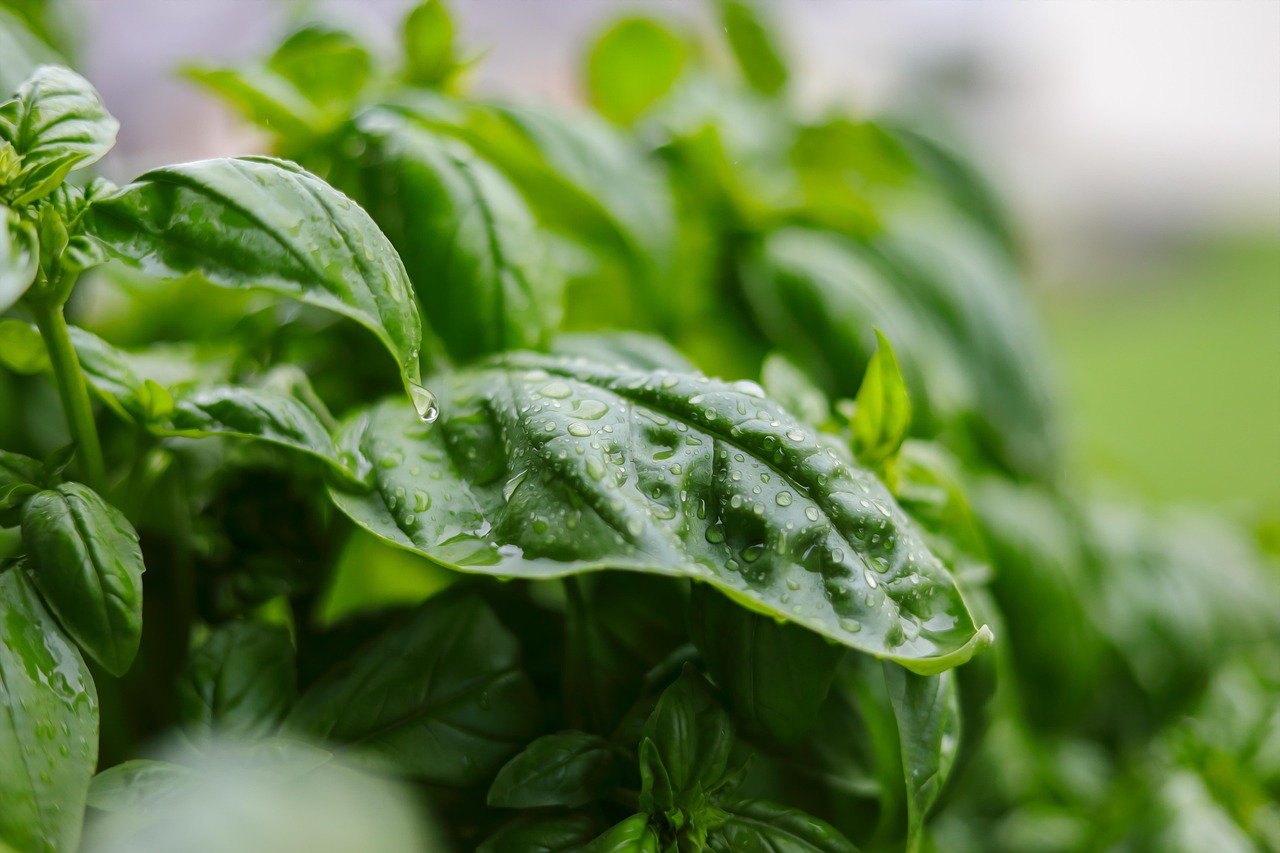
A kitchen garden does not need to be grand. A few pots by the back door, a raised bed along a sunny wall, or a small square of ground near the shed will do. What matters is that it is close enough to the kitchen that you actually use it, and sturdy enough to survive the interest of a cat who believes every patch of soil is a personal gift.
Begin with herbs. They are forgiving, useful, and generous. Rosemary, thyme, sage, oregano, and mint will all grow happily in containers or in the ground. Keep mint in a pot, though, because it will otherwise take over the entire garden within a season. Parsley and chives are easy from seed and earn their place on the windowsill through winter.
Salad leaves are the most rewarding crop for a small space. Sow a handful of seed every few weeks from spring through late summer and you will have a steady supply of cut-and-come-again greens. Rocket, spinach, and loose-leaf lettuces all work well. Radishes are quick and cheerful, ready in a matter of weeks. Spring onions, peas, and a couple of tomato plants round out a modest plot beautifully.
If you have room for a few perennial vegetables, consider rhubarb, sorrel, or walking onions. They return year after year with almost no effort. A small apple or plum tree, if space allows, gives shade, blossom, and fruit, and cats love to sit beneath it.
Feed the soil rather than the plant. Compost from the kitchen, a little well-rotted manure in autumn, and a mulch of garden clippings will keep things healthy without much fuss. Cottage gardens are not manicured, and neither should a kitchen garden be.
Cats will walk through your seedlings and nap on your lettuce if given the chance. Rather than fighting this, plan around it. Leave a deliberate patch of cat grass, or sow a small tray of wheatgrass they can chew without upsetting their stomach. Most cats love it, and it keeps them away from more precious plants.
Use cloches, netting, or simple wire hoops over young seedlings until they are established. Once plants are larger, cats tend to lose interest. A scattering of twiggy prunings across a seedbed also discourages digging without looking untidy. Avoid cocoa mulch, which is toxic to cats, and be cautious with slug pellets.
Watering is a lovely evening ritual, especially in summer. Fill a can, walk the rows, and let your cat follow along inspecting the borders. This is the quiet pleasure of a kitchen garden: not abundance for its own sake, but the daily small act of tending something that feeds you. A handful of herbs, a bowl of salad, a tomato still warm from the vine, and a cat asleep in the shade of the bean poles. It is more than enough.
